




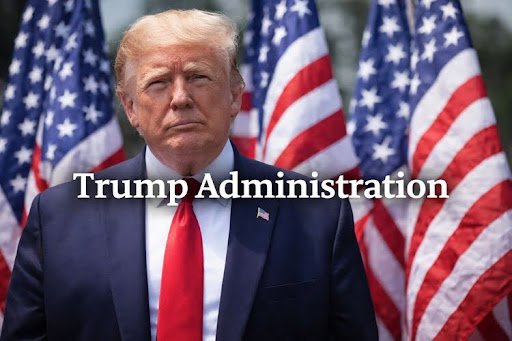
The Trump administration refers to the period when Donald J. Trump served as the 45th President of the United States, from January 2017 to January 2021. This administration was one of the most discussed and closely followed in modern American political history due to its distinctive leadership style, policy priorities, and global impact. Supporters viewed it as a disruption of traditional politics, while critics often highlighted concerns over governance and rhetoric. Regardless of perspective, the Trump administration significantly shaped U.S. politics, economics, and foreign relations.
Background of the Trump Administration
Donald Trump entered office after winning the 2016 presidential election, positioning himself as an outsider to Washington politics. His campaign emphasized themes such as “America First,” economic nationalism, immigration reform, and reducing government regulation. Once in office, the Trump administration sought to translate these campaign promises into policy actions, often using executive orders to advance its agenda.
The administration included a mix of political newcomers, business leaders, and experienced government officials. Cabinet turnover was notably higher than in many previous administrations, which became a frequent topic in political discussions and media coverage.
Domestic Policies and Governance
One of the most prominent areas of focus during the Trump administration was economic policy. A major legislative achievement was the Tax Cuts and Jobs Act of 2017, which lowered corporate tax rates and adjusted individual income taxes. Supporters argued it stimulated business investment and economic growth, while critics raised concerns about long-term budget deficits.
The Trump administration also prioritized deregulation, particularly in industries such as energy, finance, and manufacturing. The goal was to reduce federal oversight and encourage domestic production. Environmental regulations were rolled back, with the administration stating this would protect jobs and economic competitiveness.
Healthcare was another major issue. The administration repeatedly attempted to repeal or modify the Affordable Care Act (ACA), though full repeal was not achieved. Changes were made to reduce penalties related to the individual mandate.
Immigration and Border Policy
Immigration policy became a defining element of the Trump administration. Efforts included stricter border enforcement, changes to asylum rules, and the construction of barriers along the U.S.-Mexico border. These policies generated significant debate within the United States and internationally, drawing both strong support and strong opposition.
The administration argued that these measures were necessary for national security and economic stability, while critics raised concerns about humanitarian impacts and legal challenges.
Foreign Policy and Global Relations
The Trump administration took a distinct approach to foreign policy, emphasizing national interests over multilateral agreements. The U.S. withdrew from several international agreements, including the Paris Climate Agreement and the Iran nuclear deal. Relations with NATO allies were often tense, with increased pressure on member countries to raise defense spending.
At the same time, the administration engaged in high-profile diplomatic efforts, such as meetings with North Korea’s leadership and negotiations aimed at reshaping trade relationships. Trade tensions, especially with China, resulted in tariffs and ongoing negotiations that affected global markets.
COVID-19 Response
The final year of the Trump administration was dominated by the COVID-19 pandemic. The federal response included travel restrictions, economic relief packages, and support for vaccine development through initiatives such as Operation Warp Speed. The handling of the pandemic became one of the most debated aspects of the administration, influencing public opinion and political discourse.
Overall Impact and Legacy
The legacy of the Trump administration continues to influence American politics. Its policies reshaped debates on trade, immigration, executive authority, and the role of the U.S. in global affairs. The administration also had a lasting effect on political communication, media engagement, and voter participation.
FAQs About the Trump Administration
Q1. When did the Trump administration begin and end?
The Trump administration began on January 20, 2017, and ended on January 20, 2021.
Q2. What were the main goals of the Trump administration?
Key goals included economic growth, tax reform, deregulation, stricter immigration enforcement, and an “America First” approach to foreign policy.
Q3. What was the most notable economic policy of the Trump administration?
The Tax Cuts and Jobs Act of 2017 was one of the most significant economic policies, reducing corporate and individual tax rates.
Q4. How did the Trump administration approach foreign relations?
It focused on bilateral agreements, trade renegotiations, and reducing U.S. involvement in some international agreements.
Q5. Why is the Trump administration still widely discussed today?
Its policies, leadership style, and political impact continue to shape public debate, media coverage, and future policy discussions.
Final Thoughts
The Trump administration remains one of the most influential and debated periods in recent U.S. history. Its decisions affected domestic policy, international relations, and the overall political climate. Understanding this administration provides valuable context for ongoing discussions about governance, leadership, and the direction of American politics.