


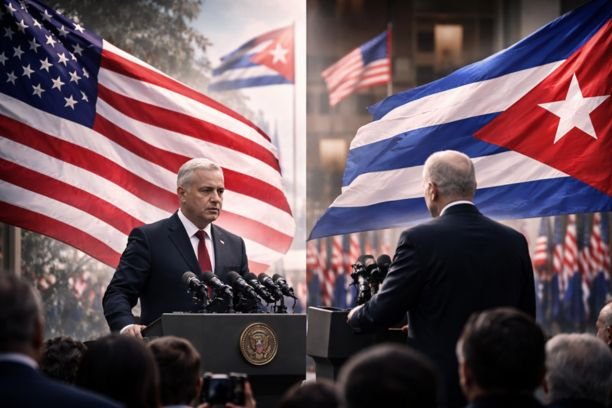
Relations between the United States and Cuba have sharply deteriorated in recent days, marking one of the most serious downturns in bilateral ties in years. The latest strain comes amid wider geopolitical upheaval in the Caribbean and Latin America, particularly following recent U.S. actions in Venezuela and renewed economic pressure on Havana.
Officials in both Washington and Havana have issued strong and sometimes conflicting statements, highlighting deep disagreements over sovereignty, sanctions, regional security, and the future of diplomatic engagement between the two longtime adversaries.
Cuba Says No Political Talks Are Underway
Cuban President Miguel Díaz-Canel has publicly rejected claims that his government is engaged in talks with the United States beyond limited technical coordination on migration issues. According to Cuban officials, there are no active political or economic negotiations with Washington, and any suggestion otherwise has been described as misleading.
Havana has emphasized that meaningful dialogue cannot take place under what it calls pressure, threats, or unilateral demands. Cuban leaders insist that any future engagement must be based on mutual respect, equality between nations, and non-interference in internal affairs — principles that Cuba argues have been repeatedly violated by U.S. policy.
The Cuban government has also reiterated that it will not negotiate its political system or domestic governance in exchange for economic relief.
U.S. Pressure Intensifies Following Venezuela Developments
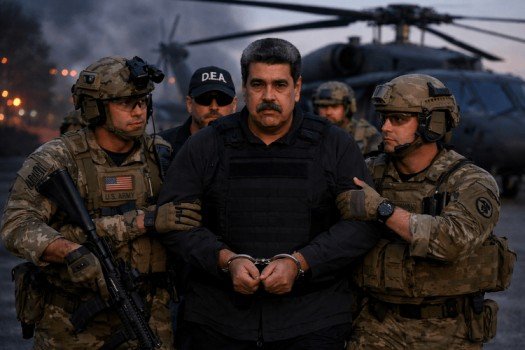
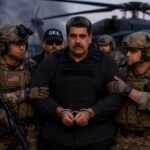
The latest friction follows a dramatic escalation in U.S. regional policy after American forces carried out a high-profile operation in Venezuela earlier this month. That action, which resulted in the removal of Venezuela’s leadership, has had ripple effects across the Caribbean — particularly for Cuba, a longtime ally of Caracas.
For years, Cuba relied heavily on subsidized Venezuelan oil supplies to support its energy grid and transportation sector. In the wake of the Venezuela operation, those supplies have effectively stopped, dealing a major blow to Cuba’s already fragile economy.
U.S. officials have framed the cutoff as part of a broader effort to reshape regional alliances and reduce what they describe as authoritarian cooperation networks. Havana, however, sees the move as deliberate economic coercion designed to deepen hardship and force political concessions.
Economic Impact Inside Cuba
The loss of external energy support comes at a difficult time for Cuba. The island nation has been struggling with:
- Persistent fuel shortages
- Frequent electricity blackouts
- Inflation and reduced purchasing power
- Declining industrial and agricultural output
Cuban authorities warn that the energy shortfall could worsen living conditions for ordinary citizens, affecting public transportation, food distribution, and basic services. Power outages have already become more common in several provinces, fueling public frustration.
The government has blamed decades-long U.S. sanctions for much of the country’s economic distress, arguing that restrictions on trade, finance, and energy access have limited Cuba’s ability to recover.
Sharp Rhetoric from Washington and Havana
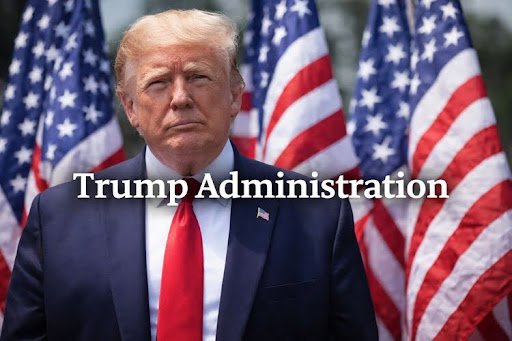
The tone of recent statements from U.S. leaders has further inflamed tensions. Washington has urged Cuba to reconsider its political direction and has hinted that economic pressure could be increased if Havana refuses to engage on U.S. terms.
Some figures within U.S. political circles have openly argued that tightening economic constraints could force change in Cuba. These remarks have been met with fierce condemnation from Cuban officials, who describe them as hostile and inhumane.
In response, President Díaz-Canel has accused the United States of attempting to impose its will through hardship, reaffirming that Cuba will not yield to external threats. Cuban state media has framed the situation as a continuation of historic U.S. efforts to undermine the island’s sovereignty.
Migration Cooperation Continues Despite Tensions
Despite the broader diplomatic freeze, both countries have continued technical cooperation on migration matters, a rare area of ongoing engagement. Officials from both sides acknowledge that managing migration flows is a shared priority, particularly as economic pressures drive increased emigration from Cuba.
However, Cuban authorities stress that these talks are strictly limited and should not be interpreted as a sign of improved political relations.
Regional and International Reactions
The renewed standoff has drawn attention across Latin America and the Caribbean, where governments are closely watching how U.S. actions affect regional stability. Some countries have expressed concern that escalating pressure on Cuba could trigger increased migration and humanitarian challenges.
Others view the situation as part of a broader realignment of power in the region following the upheaval in Venezuela. Analysts say Cuba’s diplomatic options may narrow as traditional allies face their own political and economic uncertainty.
What Comes Next?
At present, there is no clear path toward de-escalation. Cuba insists it is open to dialogue, but only under conditions it considers fair and respectful. The United States, meanwhile, appears determined to maintain pressure as part of its wider regional strategy.
Key questions moving forward include:
-
Will the U.S. impose additional economic or diplomatic measures on Cuba?
-
Can Cuba secure alternative energy and trade partners to offset recent losses?
-
Will limited cooperation on migration expand into broader engagement, or remain isolated?
For now, relations between Washington and Havana remain tense, defined more by confrontation than cooperation. As regional dynamics continue to shift, the future of U.S.–Cuba relations will likely depend on whether diplomacy can regain ground amid growing political and economic strain.