Amanda Walker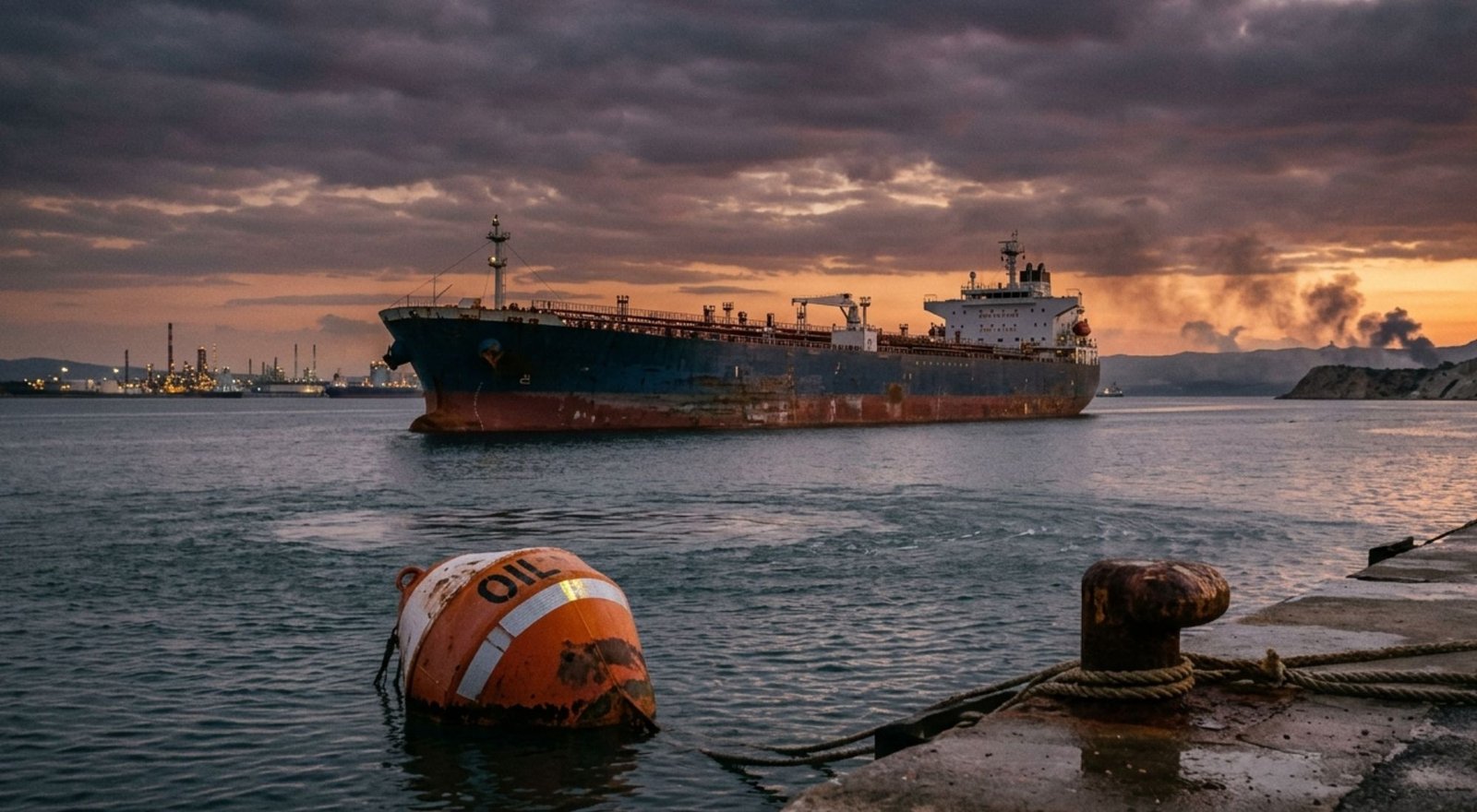
Oil prices are rising around the world, and many people are asking the same question: what’s causing oil prices to go up right now? The answer lies in a historic escalation involving the United States, Israel, and Iran. This conflict has moved beyond “tension” and is now actively disrupting how oil is produced and transported across the world’s most vital energy corridor.
This article explains what’s causing oil prices to go up, the critical role of the Middle East “chokepoints,” and what this means for your wallet.
What Is the Main Reason Oil Prices Are Rising?
The biggest reason for the surge is the functional blockade of the Strait of Hormuz. Unlike previous conflicts where supply was merely “threatened,” the current war has led to a de facto closure of the world’s most important shipping lane since late February 2026. When nearly 20% of the global oil supply is suddenly restricted, the market reacts with extreme volatility.
While prices saw a sharp 10% dip on March 23 following a surprise “five-day pause” in U.S. strikes announced by President Trump, the underlying supply shortage keeps the baseline prices significantly higher than last year.
How the Middle East Conflict Is Affecting Oil
The Middle East is no longer just a “risk zone”; it is an active disruption site.
- The Strait of Hormuz: Since “Operation Epic Fury” began, tanker traffic has dropped by over 70%. Insurance costs for the remaining vessels have skyrocketed, with some insurers removing “war risk” coverage entirely.
- Infrastructure Damage: This isn’t just about shipping. Strikes have already impacted the Bapco refinery in Bahrain and gas facilities in Qatar, proving that energy infrastructure is now a primary target.
What Role Do the United States, Israel, and Iran Play?
The situation is a high-stakes “cycle of reaction”:
- The U.S. & Israel: Have conducted precision strikes on strategic Iranian sites.
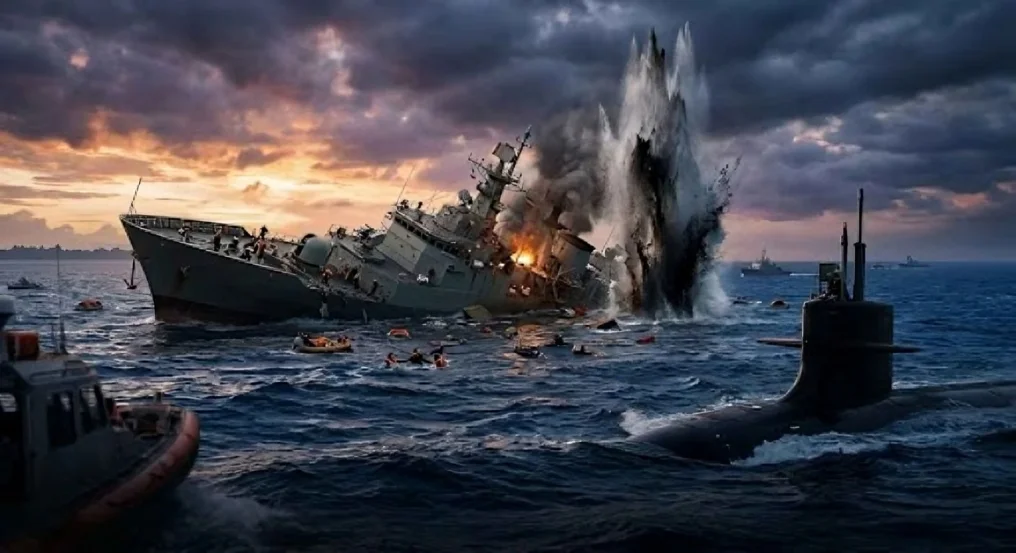
- Iran’s Response: Iran has utilized drone boats and missiles to target tankers, effectively making the Strait of Hormuz impassable for many global fleets.
- The 5-Day Window: As of March 24, 2026, the U.S. has temporarily deferred strikes on Iranian power plants to test a diplomatic opening, causing prices to swing wildly as traders try to guess if the war is ending or just pausing.
Why Do Oil Prices React So Quickly?
Oil prices are driven by future expectations. Even with a temporary pause in strikes, traders are “pricing in” the possibility of a total regional war.
- Fear of a $150 Barrel: If the five-day pause fails, analysts warn crude could jump to record-breaking levels.
- Stockpile Depletion: The International Energy Agency (IEA) has already released 400 million barrels of emergency reserves to stabilize the market, but these reserves are not infinite.
What Type of Oil Prices Are Rising?
The volatility is tracked through two main benchmarks:
- Brent Crude: The global standard, currently hovering near $100 (down from a peak of $120 earlier this month).
- WTI (West Texas Intermediate): The U.S. benchmark, staying near $90. When these benchmarks rise, they act as a “tax” on every refined product, from the plastic in your phone to the fuel in your car.
How Does This Affect Fuel Prices?
In many countries, the “pump price” is struggling to keep up with the crude market.
- India: Petrol and diesel prices have remained relatively stable in some regions as state-run companies absorb losses, but this cannot last forever if crude stays above $100.
- Global Logistics: Even if your local gas station hasn’t raised prices yet, the cost of shipping goods has doubled, which will eventually show up in your grocery bill.
What Does This Mean for Everyday Life?
- Stagflation Risk: High energy prices combined with slow economic growth are creating a “stagflation” scenario.
- Travel Disruptions: Airlines are already raising fares as fuel hedging strategies fail to cover the $100+ crude costs.
- Food Inflation: Natural gas is used to make fertilizer; as gas prices doubled alongside oil, food production costs are rising globally.
Is the War the Only Reason?
While the war is the primary driver, other factors include:
- OPEC+ Decisions: Production cuts by major exporters have left the market with little “spare capacity.”
- Logistics Shifts: Ships are being forced to take longer, more expensive routes around Africa to avoid the Middle East conflict zones.
Conclusion
Oil prices are going up as the war continues in the Middle East, mainly due to concerns about supply disruption and uncertainty in global markets. The involvement of the United States, Israel, and Iran has increased risks in a region that is critical for oil production and transportation.
For individuals and businesses, this means higher fuel costs and potential increases in the price of goods and services. As the situation continues to evolve, oil prices are likely to remain sensitive to any developments in the region.
You can contribute to our website! See our Write for Us page to get started.