Amanda Walker
Introduction (The Real Truth About Stress)
Stress isn’t just “in your mind” — it’s a biological reaction inside your body.
When you feel overwhelmed, your body releases a hormone called cortisol. This hormone is useful in short bursts, but when it stays high for too long, it can:
– Increase your heart rate
– Disrupt your sleep
– Trigger overthinking and anxiety
– Drain your energy
The good news?
You can train your body to switch off stress naturally.
In this guide, you’ll learn science-backed, practical methods that help you calm your mind, regain control, and feel better—without medication.
Common Triggers (Quick Checklist)
Before fixing the issue, identify what’s causing it:
– Overthinking and negative thoughts
– Financial pressure
– Lack of sleep
– Too much social media
– Poor diet
– No physical activity
The more boxes you tick, the higher your stress load.
7 Science-Backed Ways to Reduce Anxiety
1. Box Breathing (Activate Your Calm System)
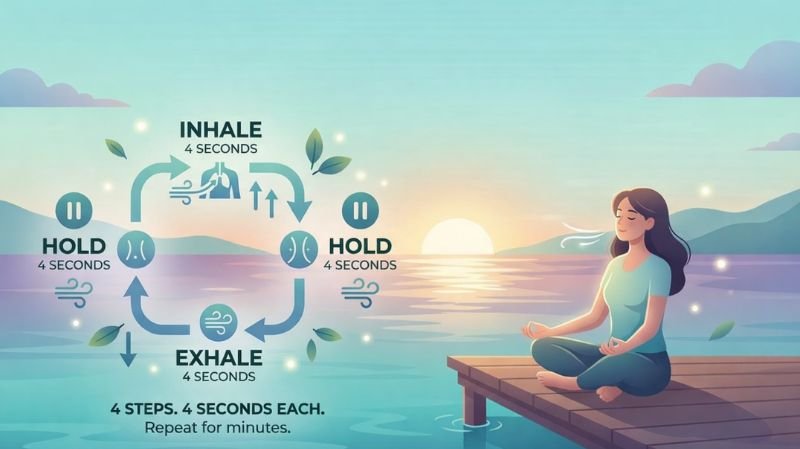
When anxiety spikes, your body enters “fight or flight” mode.
You can override this by activating the vagus nerve — your body’s natural calming switch.
**How to do it:**
– Inhale for 4 seconds
– Hold for 4 seconds
– Exhale for 4 seconds
– Hold for 4 seconds
Breathing technique:
https://www.health.harvard.edu/mind-and-mood/relaxation-techniques-breath-control-helps-quell-errant-stress-response
What happens:
- Slows your heart rate
- Signals safety to your brain
- Calms your body in under 2 minutes
Bonus Hack:
Splash cold water on your face or take a 30-second cold shower.
This instantly stimulates the vagus nerve and reduces stress.
2. Choose “Green Movement” Over Intense Workouts

You don’t need intense gym sessions to feel better.
In fact, high-intensity workouts can sometimes increase cortisol if you’re already overwhelmed.
Better option:
- 20–30 minutes walking in nature
- Park, garden, or open space
Why it works:
- Natural environments calm the brain faster
- Reduces mental fatigue and anxiety
3. Fix Your “Stress Minerals” (Magnesium & Omega-3)

Chronic stress often leads to low magnesium levels, which worsens anxiety.
Add these to your diet:
- Dark chocolate (85% or higher)
- Pumpkin seeds
- Spinach and leafy greens
- Walnuts (rich in Omega-3)
Result:
- Supports your nervous system
- Helps regulate mood and relaxation
4. Digital Detox (The Grayscale Trick)

Your phone is designed to keep you hooked — and anxious.
Bright colors and notifications trigger dopamine spikes, leading to distraction.
Simple Fix:
Turn your phone to Grayscale mode
Result:
- Apps become less addictive
- You naturally reduce screen time
- Your mind feels less stimulated
5. Morning Sunlight (Fix Your Sleep & Mood)

Better sleep starts the moment you wake up.
What to do:
Get 10 minutes of direct sunlight
Do it before 10:00 AM
Avoid sunglasses during this time
Why it works:
- Regulates your circadian rhythm
- Helps your body produce melatonin at night
- Improves sleep quality and reduces anxiety
6. The 5-4-3-2-1 Grounding Technique

When your mind is racing, this technique brings you back to the present.
Try this:
- 5 things you can see
- 4 things you can touch
- 3 things you can hear
- 2 things you can smell
- 1 thing you can taste
Result:
- Breaks the overthinking loop
- Instantly reduces anxiety
7. Journaling (The Brain Dump Method)
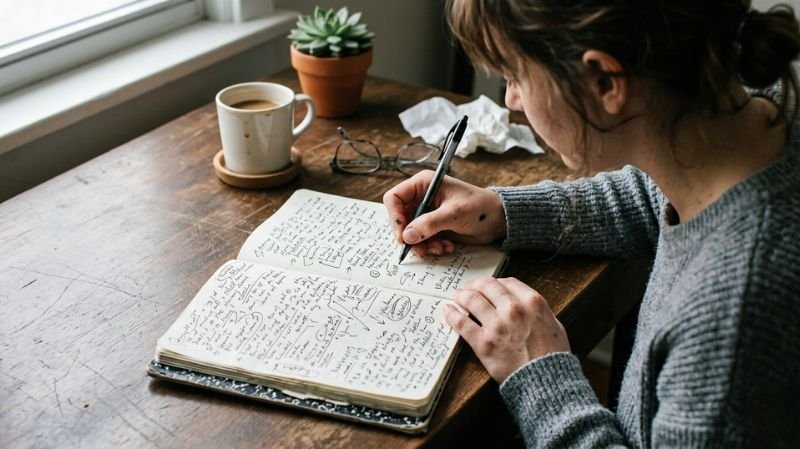
Overthinking happens because your brain is trying to “hold” too many thoughts.
Solution:
Write everything down.
Science behind it:
This uses the Zeigarnik Effect — once a thought is written, your brain stops obsessing over it.
What “The 21-Day Stress Management Challenge” Teaches About Reducing Stress
One of the most effective approaches to managing stress comes from structured habit-building, as explained in “The 21-Day Stress Management Challenge.”
The book focuses on gradually reducing stress by following a simple 21-day plan that helps individuals understand their stress triggers and develop healthier responses.
Instead of quick fixes, this method encourages small daily improvements such as mindfulness, better sleep routines, and emotional awareness. Over time, these consistent actions help reset your body’s stress response and create long-term mental balance.
Many of the techniques discussed in this guide—like deep breathing, limiting overthinking, and building positive habits—align closely with this approach. By applying these strategies consistently, individuals can significantly improve their ability to handle stress naturally at home.
Final Thoughts
Stress isn’t something you “eliminate” — it’s something you learn to manage.
The key is consistency, not perfection.
Start with one habit today, or follow a structured approach like a 21-day stress management plan to build consistency faster.
Your mind and body will thank you.
FAQs: Reduce Stress and Anxiety Naturally
1. How can I reduce stress and anxiety naturally at home?
You can feel better naturally by practicing deep breathing (like box breathing), spending time in nature, improving your diet, reducing screen time, getting morning sunlight, and journaling regularly. These methods help calm your nervous system and lower cortisol levels.
2. What is the fastest way to calm anxiety?
The fastest way to calm anxiety is controlled breathing, such as the 4-4-4-4 box breathing technique. It slows your heart rate and signals safety to your brain, helping you feel calmer within minutes.
3. Can stress and anxiety go away without medication?
Yes, mild to moderate issues can often be managed without medication by using natural techniques like exercise, mindfulness, proper sleep, and nutrition. However, severe anxiety may require professional help.
4. What foods help reduce stress and anxiety?
Foods rich in magnesium and omega-3 fatty acids help you feel better. Examples include dark chocolate, spinach, pumpkin seeds, walnuts, and fatty fish. These nutrients support brain function and relaxation.
5. How does sunlight help reduce anxiety?
Morning sunlight helps regulate your circadian rhythm, which improves sleep and mood. Better sleep leads to lower tension and reduced anxiety levels over time.
6. How do I stop overthinking and negative thoughts?
You can stop overthinking by using grounding techniques like the 5-4-3-2-1 method or journaling. Writing your thoughts down helps your brain release them and reduces mental clutter.
7. Is walking better than gym workouts for stress?
For relief, light activities like walking in nature can be more effective than intense workouts. High-intensity exercise may increase cortisol if you’re already stressed, while walking helps calm your mind.
8. How long does it take to reduce stress naturally?
Some techniques like breathing exercises work instantly, while others like diet, sleep, and lifestyle changes may take a few days to weeks to show noticeable results.