Amanda Walker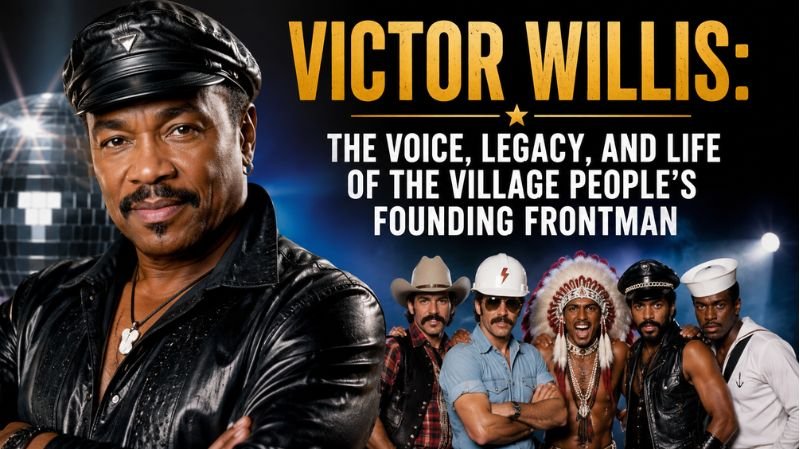
Few voices in popular music are as instantly recognizable as that of Victor Willis, the founding lead singer of Village People. For nearly five decades, his powerful baritone anchored some of the most enduring party anthems ever recorded, songs that continue to fill stadiums, weddings, and dance floors around the world. Victor Willis was more than a performer; he was a songwriter, a businessman, and eventually a landmark figure in the fight for artists’ rights. His passing in the summer of 2026 closed a remarkable chapter in music history, but the songs he helped create remain as popular today as they were during disco’s golden age.
What makes Victor Willis story especially notable is the arc it followed. He rose to extraordinary fame in a genre that many critics initially dismissed as a passing fad, watched that fame slip away amid personal turmoil, spent years working to rebuild both his health and his finances, and ultimately reclaimed not just his place on stage but legal ownership of the songs that had made him famous in the first place. Few careers in popular music trace such a complete circle, from breakout stardom, through hardship, to a triumphant and well-earned second act.
To understand why Willis mattered so much to Village People’s sound, and why his eventual return to the group carried so much weight for fans, it helps to look closely at the songs, the business battles, and the personal journey that shaped his five decades in the public eye.
The Disco Era and Village People’s Place in It
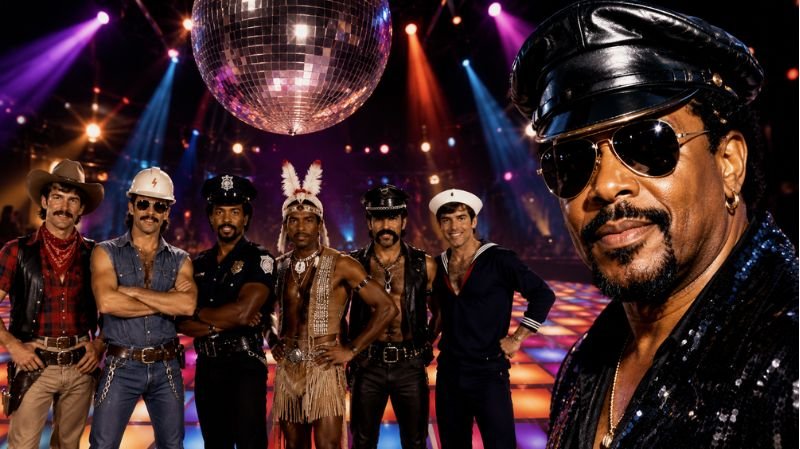
Village People emerged at a moment when disco was transforming from an underground dance-club sound into a dominant force in mainstream popular music. The group’s concept, built around larger-than-life costumed characters representing different archetypes of American life, was unlike anything else on the charts at the time. That visual spectacle helped the band stand out, but it was the songwriting and vocal performances, driven in large part by Victor Willis, that turned novelty appeal into genuine, lasting hits.
Victor Willis brought a level of vocal seriousness to the group that grounded its more playful, theatrical elements. His background in gospel music and musical theater gave him the range and control to deliver anthemic choruses with real power, and that combination of spectacle and substance is a big part of why Village People’s songs have outlasted so many of their disco-era peers.
Rise to Fame with Village People
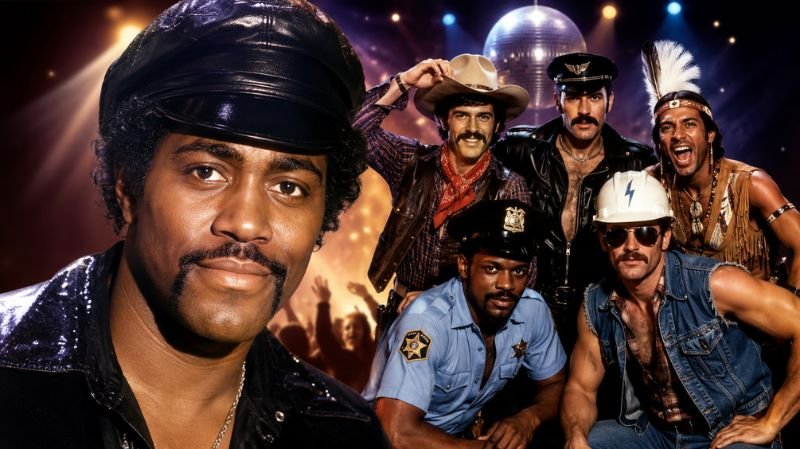
Village People formed in the late 1970s during the height of the disco boom, quickly becoming one of the era’s most theatrical and commercially successful acts. Victor Willis, a trained vocalist with a background in gospel and musical theater, became the group’s lead singer and creative anchor. While the rest of the group leaned heavily into costume-driven stage personas, it was Victor Willis voice that carried the band’s biggest records to the top of the charts and cemented Village People’s place in pop culture.
Y.M.C.A.
Released in 1978, “Y.M.C.A.” became one of the most recognizable songs ever recorded and remains a staple at sporting events, weddings, political rallies, and community celebrations decades later. The song’s simple, joyful call to community and its now-famous arm movements turned it into a piece of shared cultural language recognized far beyond the world of music.
Macho Man
“Macho Man” was one of Village People’s earliest major hits and played a critical role in defining the group’s identity. The track introduced audiences everywhere to the band’s playful, larger-than-life theatrical style and helped set the template for the string of hits that followed.
In the Navy
Arriving in 1979, “In the Navy” became another worldwide smash and is still closely tied to the group’s golden era. Its catchy, march-like energy made it an instant favorite and reinforced Village People’s reputation for turning everyday themes into irresistible dance anthems.
Go West
Though it would later find a second life through a successful cover by another act, Village People’s original recording of “Go West” remains one of the band’s defining songs and a favorite among longtime fans of their catalog.
Victor Willis’s Central Role in the Band
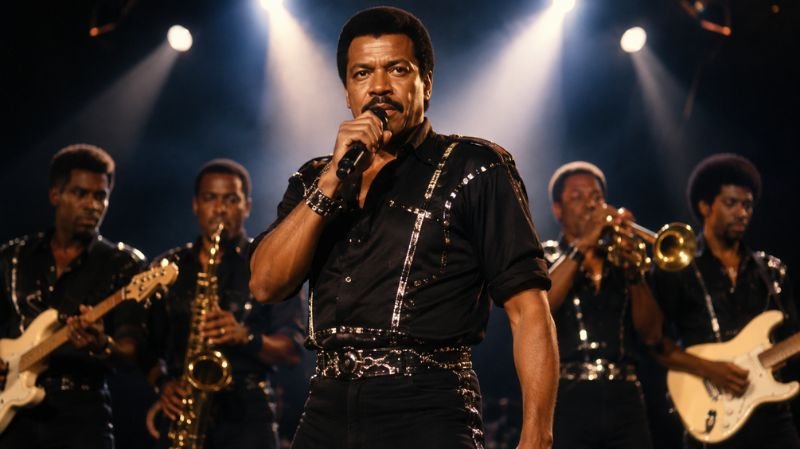
Unlike some members of Village People, who were primarily known for their stage presence and costumed characters, Victor Willis was central to the group’s actual musical identity. His contributions went far beyond simply singing lead; he was deeply involved in songwriting, studio production, live performance, and the overall creative direction of the group. His unmistakable voice appears on nearly every one of Village People’s biggest commercial successes, making him, in the eyes of many fans and critics, the true sound of the band.
Songwriting Success
Victor Willis impact on Village People extended well beyond the microphone. He was also one of the band’s principal songwriters, co-writing many of the group’s most iconic disco hits, including “Y.M.C.A.,” “Macho Man,” “In the Navy,” and “Go West.” These songs have continued generating substantial royalties for decades after their initial release, and Willis’s writing credits proved to be just as valuable to his long-term career as his performances on stage.
What set Victor Willis apart from many of his contemporaries in the disco scene was the durability of his catalog. Disco as a genre faded from mainstream dominance relatively quickly after its late-1970s peak, and many acts associated with the sound struggled to remain commercially relevant once musical tastes shifted. Village People’s biggest songs, however, proved to be an exception. Their simple, communal themes and instantly singable choruses gave them a kind of staying power that transcended any single musical trend, which is precisely why they have remained fixtures at celebrations of all kinds for more than four decades.
That staying power is also why the fight over who actually owned those songs became such high-stakes territory later in Victor Willis career.
Leaving Village People in 1980
At the height of the group’s success, Victor Willis made the decision to leave Village People in 1980. Several factors contributed to his departure, including creative differences with other members and producers, an exhausting international touring schedule, and personal struggles that included issues with substance abuse. Following his exit, the group carried on with a series of replacement vocalists, but many longtime fans continued to view Victor Willis as the group’s true and irreplaceable voice.
Personal Challenges After Village People
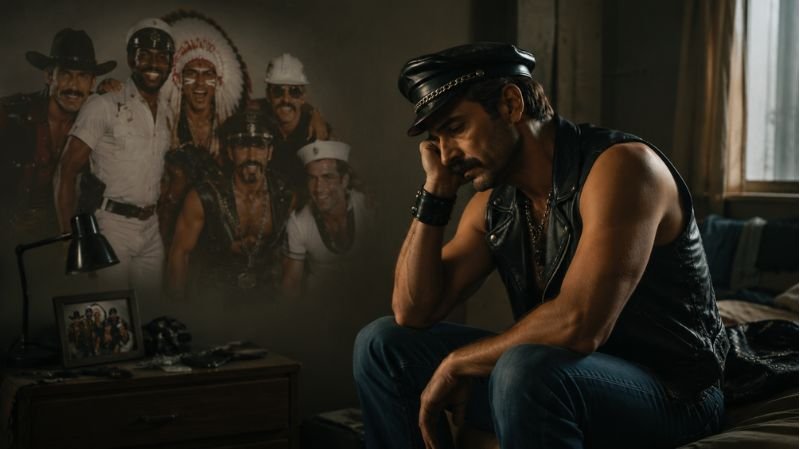
The years following his departure from Village People were difficult ones for Victor Willis. He battled drug addiction, faced legal problems, and experienced significant financial setbacks that created long stretches of career instability. For a time, these struggles overshadowed the musical achievements that had defined his early career. However, unlike many performers whose careers never recovered from similar battles, Willis eventually entered recovery, rebuilding both his personal life and his professional standing in the years that followed.
Victor Willis spoke openly in later interviews about how difficult that period of his life had been, describing it as a time when the discipline and structure that had once defined his career gave way to chaos. Rebuilding was not a quick process. It required years of sustained effort, and it happened largely outside the spotlight that had once followed his every move. That quiet, determined comeback is part of what made his later achievements, both on stage and in the courtroom, feel so hard-won to those who followed his career closely.
The Legal Battle Over Song Rights

One of the most consequential chapters of Victor Willis career had nothing to do with the stage and everything to do with the courtroom. For much of the twentieth century, recording artists and songwriters routinely lost ownership of the very songs they helped create, signing away rights under industry contracts that heavily favored labels and publishers. Victor Willis fought a lengthy and closely watched legal battle to reclaim ownership of his compositions, relying on provisions in U.S. copyright law that allow authors to terminate old transfers of rights after a set number of years.
His victory was more than a personal win. It became an important precedent for songwriters across the music industry, demonstrating that artists could successfully use copyright termination law to recover control of works they had signed away decades earlier. Ultimately, Victor Willis regained substantial ownership interests in many of the Village People classics he had helped write, a result that significantly increased both his creative influence and his long-term royalty income.
The case drew significant attention within the music industry because it tested how copyright termination law would apply to jointly created works and to contracts signed decades earlier under very different bargaining conditions. Music publishers had long relied on the assumption that early contracts would remain in force indefinitely. Willis’s willingness to pursue a prolonged legal fight, rather than settle quietly, helped clarify how songwriters could reclaim rights to older compositions, and his case has since been cited as a reference point by other artists pursuing similar termination claims of their own.
Beyond the financial impact, the victory carried real symbolic weight for Willis personally. Regaining ownership of songs like “Y.M.C.A.” meant regaining a form of authorship and recognition that had, in his view, been diminished for years. It reestablished him not just as the voice behind Village People’s biggest hits, but as one of their rightful authors.
Return to Village People in 2017
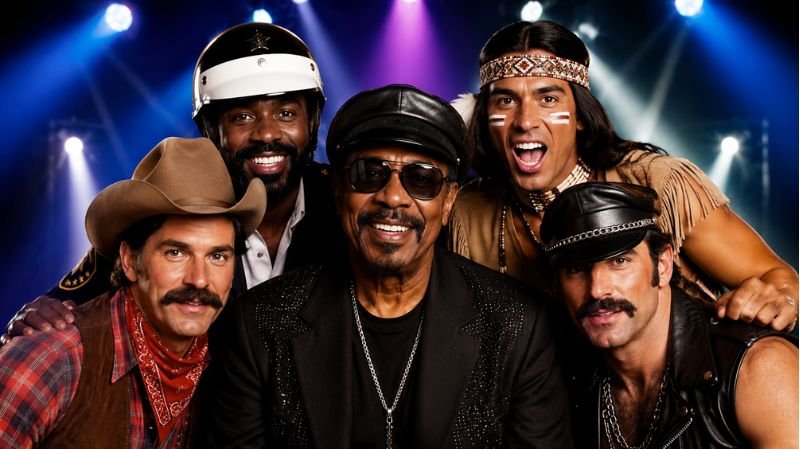
In 2017, Victor Willis officially rejoined Village People, delighting longtime fans who had waited decades to see him back with the group he helped found. He once again became the face and voice of the legendary disco act, resuming international touring and live performances. His return was widely seen as confirmation of his enduring popularity and reinforced his status as the definitive lead singer in the group’s history.
Victor Willis’s Net Worth
Estimates vary depending on the source, but Victor Victor Willis net worth at the time of his death was believed to fall somewhere between five million and ten million dollars. That wealth was built from several different income streams tied to his decades-long career in music.
Music Royalties
Thanks to his songwriting credits, Willis earned ongoing royalties from “Y.M.C.A.,” “Macho Man,” “In the Navy,” and “Go West,” songs that remain among the most frequently played disco tracks anywhere in the world. Radio play, streaming, and public performances of these tracks continued to generate income for Willis long after their original release.
Touring Revenue
Village People continued performing internationally for decades, and concert touring remained a major and consistent source of income throughout Willis’s career, both before and after his return to the group in 2017.
Copyright Ownership
Winning back ownership rights to portions of his song catalog through his legal battle substantially increased Willis’s long-term earnings, giving him a direct stake in the ongoing commercial success of the songs he helped write.
Licensing Income
Village People songs have continued to appear in movies, commercials, television shows, sporting events, and video games. These licensing arrangements have provided an additional and steady stream of royalty income tied to the group’s most famous recordings.
Musical Style and Vocal Talent

Victor Willis possessed a distinctive baritone voice that suited disco music particularly well, blending gospel influences, soul, pop melodies, dance rhythms, and stage theatrics into performances that stood out from many of his contemporaries. Unlike many disco vocalists of the era, who leaned heavily on falsetto, Willis delivered powerful, confident performances marked by exceptional vocal clarity, a quality that helped define the sound of Village People’s biggest hits.
Influence on Popular Culture
Few performers from the disco era achieved the lasting cultural impact of Victor Willis. His music transcended generations, and “Y.M.C.A.” in particular remains one of the most recognizable songs in the history of popular music. The song’s accompanying dance has become a kind of universal celebration, performed by millions of people at weddings, sporting events, and parties around the world. Willis’s influence extends well beyond the recording studio, touching sports entertainment, television, film, advertising, and community events everywhere the songs he helped create continue to be played.
Part of what has made this cultural footprint so durable is how easily the songs cross generational and cultural lines. New listeners who were born decades after “Y.M.C.A.” first topped the charts still recognize the song from movies, sporting events, and celebrations long before they know anything about the man who wrote and sang it. In that sense, Willis achieved something relatively rare in popular music: a body of work so deeply woven into everyday celebration that it no longer depends on ongoing radio promotion or media attention to stay relevant. It simply reappears, generation after generation, at the moments when people gather to celebrate.
Awards and Recognition
Although Village People did not receive every major industry award during the height of the disco era, the group’s cultural influence has proven immense and long-lasting. Willis earned recognition throughout his career for the group’s global record sales, his enduring success as a songwriter, his advocacy for copyright reform, and his lifetime of contributions to disco music. His legal victories over song ownership also established him as an important and respected figure in the broader fight for artists’ rights within the music industry.
Personal Life
In 2007, Victor Willis married Karen Huff-Willis, an attorney and entertainment executive who went on to play an important role in supporting both his later career and his legal efforts to reclaim his song rights. The couple remained together until his death. Following his passing, Karen announced the news publicly on behalf of the family while requesting privacy during their time of grief.
Beyond her role as his spouse, Karen was widely credited with helping steady Willis’s career during its later, more successful chapters. Her background as an attorney and entertainment executive proved especially valuable during the copyright termination proceedings, and many who followed Willis’s career closely viewed their partnership as a key ingredient in his professional resurgence after 2007. Friends and colleagues often described the couple as a genuine team, working together on both the business and creative sides of his ongoing career with Village People.
Y.M.C.A. and Its Enduring Legacy
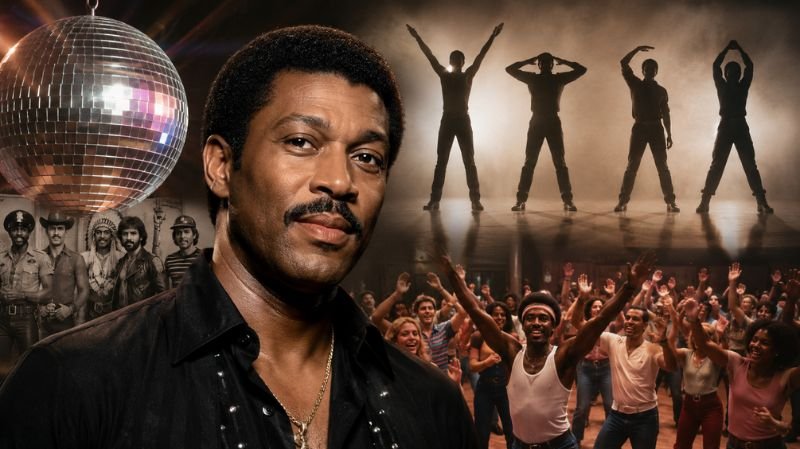
Perhaps no single song defines Victor Willis more than “Y.M.C.A.” Released in 1978, it became one of the best-known disco songs ever recorded, a worldwide party anthem, a fixture at sporting events, and a genuine pop culture phenomenon. Over the years, Willis publicly addressed interpretations of the song, stating that he did not intend for it to be understood solely as a gay anthem and emphasizing instead that its broader message was one of community and shared enjoyment. Regardless of how listeners have interpreted its meaning, the song’s popularity has endured remarkably well across cultures and generations, continuing to bring people together on dance floors decades after its release.
Passing in 2026 and Public Tributes
Victor Willis passed away on June 30, 2026, following what his family described as a short but aggressive illness. He was 74 years old, just one day shy of his 75th birthday. His wife, Karen Huff-Willis, along with the rest of Village People, confirmed the news and asked for privacy for the family during this difficult time.
His death prompted an outpouring of tributes from fans, fellow musicians, and public figures around the world, many of whom celebrated his role in defining an entire musical era. Coverage of his passing highlighted the remarkable career revival he experienced after rejoining Village People in 2017, his hard-won legal victory to regain his songwriting rights, and the continued global popularity of songs like “Y.M.C.A.,” “Macho Man,” and “In the Navy,” all of which remain touchstones of popular music.
Victor Willis’s Lasting Legacy
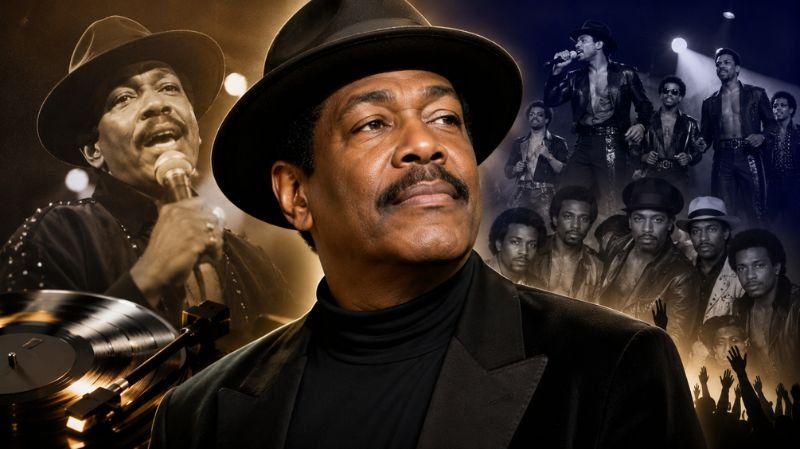
Victor Willis leaves behind a remarkable legacy as one of the defining voices of the disco era. His career is a story of resilience, creativity, and determination, spanning Broadway stages, international arenas, and decades of recording history. His body of work continues to entertain new audiences even as musical tastes have shifted dramatically since the 1970s.
Among his most significant achievements are co-founding one of history’s most successful disco groups, writing several of the genre’s biggest and most enduring hits, winning a landmark copyright battle that benefited songwriters across the industry, returning triumphantly to the stage after overcoming serious personal adversity, and inspiring generations of performers and music lovers who followed in his footsteps.
Even after his passing, songs such as “Y.M.C.A.,” “Macho Man,” “Go West,” and “In the Navy” remain deeply embedded in popular culture, played at celebrations of every kind around the world. Through his unforgettable voice, memorable performances, and influential songwriting, Victor Willis secured a permanent place in music history as one of the most iconic and important figures to emerge from the disco era.
His story also stands as a reminder that legacies in music are rarely built in a straight line. Willis experienced extraordinary early success, a painful fall from the spotlight, and a hard-fought return that reestablished him both artistically and legally as the true voice behind some of the most joyful songs ever recorded. For millions of fans who have danced to “Y.M.C.A.” at weddings, ballgames, and parties without ever knowing the full story behind it, that history adds a new layer of meaning to a song that has already meant so much to so many people for so long. Victor Willis’s voice may be silent now, but the songs he built, and fought to keep, will keep playing for generations to come.