Amanda Walker
Postal voting, often referred to as mail-in voting, absentee voting, or vote-by-mail, is a method that allows eligible voters to cast their ballots without visiting a polling station in person. Instead, voters receive a ballot through the mail, complete it at home, and return it to election officials before the designated deadline.
Over the past few decades, postal voting has become an increasingly important component of democratic systems worldwide. Countries such as the United States, Germany, Switzerland, Australia, and the United Kingdom have adopted various forms of mail-in voting to improve accessibility and voter participation. The practice gained particular prominence during the COVID-19 pandemic, when concerns about public health led many governments to expand remote voting options.
Postal voting remains a topic of active debate. Supporters view it as a convenient and inclusive way to strengthen democracy, while critics raise concerns about security, ballot integrity, and voter verification. Understanding how postal voting works — and why it matters — is essential for anyone interested in modern elections and civic participation.
This article explores the history, process, advantages, challenges, security measures, costs, environmental impact, and future of postal voting, along with a country-by-country comparison and a short FAQ.
What Is Postal Voting?
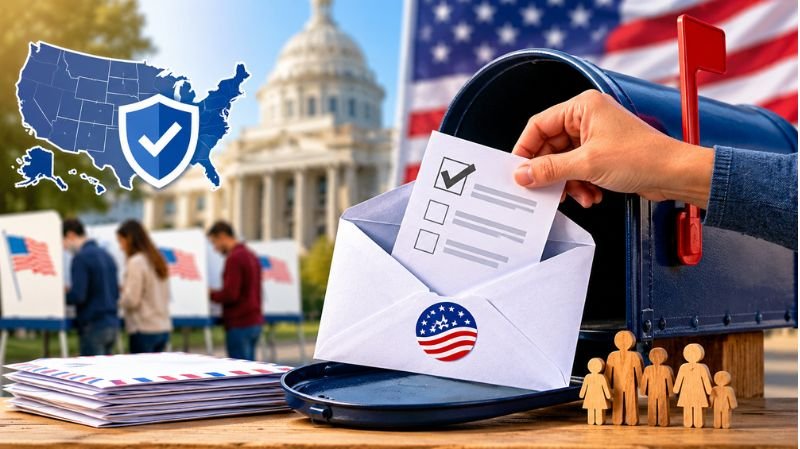
Postal voting is an electoral process that allows voters to receive and submit ballots through the mail rather than voting at a physical polling location. Depending on a country’s election laws, postal voting may be available to all voters or restricted to specific groups, such as:
- Military personnel stationed abroad
- Citizens living overseas
- Elderly voters
- People with disabilities
- Individuals unable to attend polling stations on election day
- Students studying away from home
- Workers traveling during elections
In some jurisdictions, voters must apply for a mail ballot in advance. In others, election authorities automatically send ballots to all registered voters. The primary objective of postal voting is to ensure that eligible citizens can participate in elections regardless of their physical location or personal circumstances.
A Brief History of Postal Voting
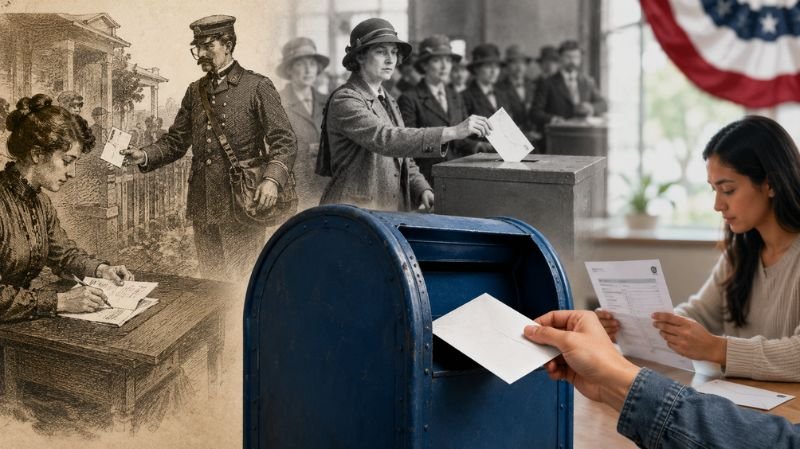
Postal voting is not a modern invention; its origins date back to the 19th century. One of the earliest examples emerged during wartime, when soldiers needed a way to vote while deployed far from home. Governments recognized that military service should not prevent citizens from exercising their democratic rights.
Over time, postal voting expanded to include civilians who faced barriers to attending polling stations. Advances in postal infrastructure and voter registration systems made large-scale mail voting increasingly feasible.
By the late 20th and early 21st centuries, many democracies had adopted some form of absentee or postal voting. Technological improvements in ballot tracking, voter databases, and verification systems further increased confidence in the process. Today, millions of voters worldwide rely on postal voting in local, regional, and national elections.
How Postal Voting Works
While procedures vary between countries and regions, the postal voting process generally follows several key steps.
1. Voter Registration
Before receiving a postal ballot, a voter must usually be registered to vote. Election authorities maintain voter registration databases containing information such as name, address, date of birth, and eligibility status. Accurate voter registration is essential because ballots are sent to registered addresses.
2. Requesting a Mail Ballot
In many places, voters must submit an application requesting a postal ballot. The application may require personal identification information, signature verification, proof of eligibility, and mailing address confirmation. Some jurisdictions offer online applications, while others require paper forms. In universal vote-by-mail systems, registered voters automatically receive ballots without submitting a request.
3. Receiving the Ballot
Once approved, election officials mail a ballot package to the voter. A typical ballot package includes:
- Official ballot
- Voting instructions
- Security envelope
- Return envelope
- Voter declaration form
The package is designed to protect ballot secrecy while ensuring election officials can verify voter identity.
4. Marking the Ballot
The voter completes the ballot according to the provided instructions, which may involve selecting candidates, voting on referendums, approving constitutional amendments, or choosing party representatives. Careful completion is important because improperly marked ballots may be rejected.
5. Verifying Identity
Most postal voting systems require voters to confirm their identity before returning the ballot. Common verification methods include signature matching, witness signatures, personal identification numbers, voter declarations, and identification documents. Election officials use these safeguards to prevent unauthorized voting.
6. Returning the Ballot
Completed ballots are returned through postal services, secure ballot drop boxes, election offices, or designated collection centers. Ballots must usually arrive before a specified deadline — late ballots may not be counted, even if they were mailed before election day.
7. Ballot Verification and Counting
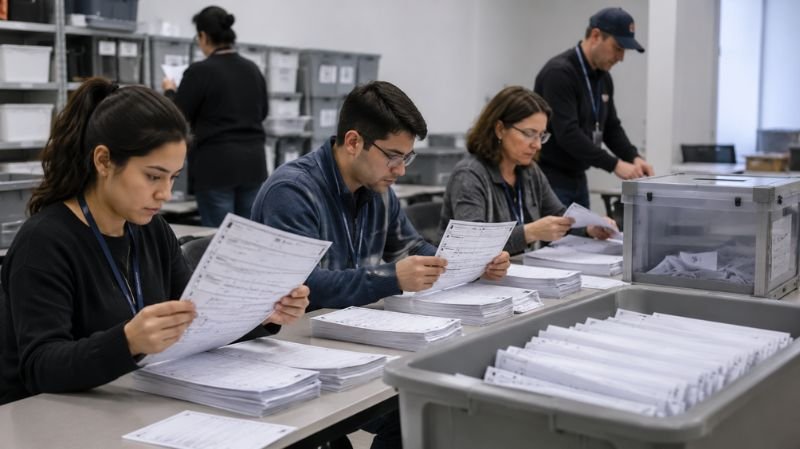
After receiving ballots, election officials verify voter eligibility, signature authenticity, proper completion of required forms, and compliance with election regulations. Verified ballots are separated from identifying information to preserve anonymity. Once verification is complete, ballots are counted alongside votes cast in person.
Types of Postal Voting Systems
Traditional Absentee Voting
Voters must request a ballot and provide a valid reason for voting remotely, such as illness, travel, military service, or disability.
No-Excuse Absentee Voting
Voters may request a mail ballot without providing a specific reason. This system offers greater flexibility and convenience.
Universal Vote-by-Mail
All registered voters automatically receive ballots. Voters can return ballots by mail, deposit them in drop boxes, or vote in person if preferred. This approach maximizes voter access and reduces dependence on election-day turnout.
Why Postal Voting Matters
Increased Accessibility
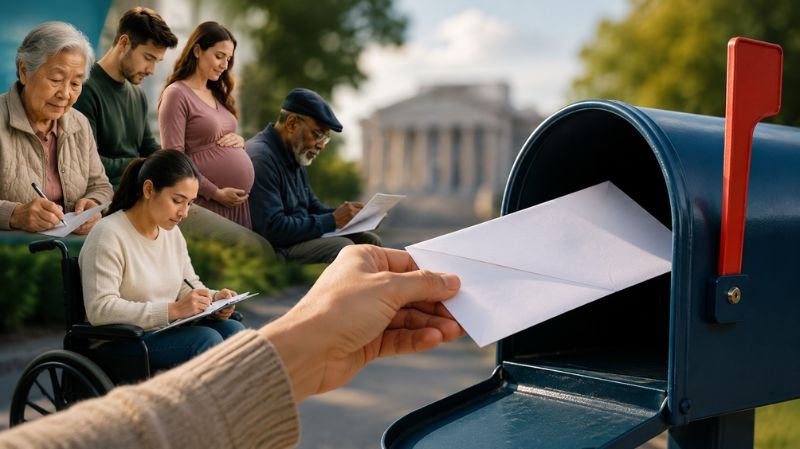
Many citizens face obstacles that make in-person voting difficult, including physical disabilities, transportation limitations, health conditions, and geographic isolation. Postal voting helps ensure that these voters can still participate. A democratic system is strongest when all eligible citizens have an opportunity to vote.
Greater Convenience
Modern life is increasingly busy. Work schedules, family responsibilities, and travel commitments can make it challenging to visit polling stations. Postal voting allows citizens to vote at a time and place that suits them, and this flexibility often encourages higher participation.
Voter Turnout
Easier voting methods can contribute to increased civic engagement when they reduce the practical barriers to casting a ballot. Although the size of any turnout effect varies by region, election design, and voter demographics, postal voting generally expands the opportunities citizens have to participate.
Support for Overseas Citizens
Millions of people live, work, or study outside their home countries. Without postal voting, these citizens might lose their ability to participate in elections. Mail ballots help maintain democratic inclusion regardless of geographic location.
Emergency Preparedness
Natural disasters, pandemics, and other emergencies can disrupt traditional voting methods. Postal voting provides an alternative mechanism that helps elections continue under challenging circumstances. The COVID-19 pandemic demonstrated the value of flexible voting systems capable of functioning during public health crises.
Benefits of Postal Voting
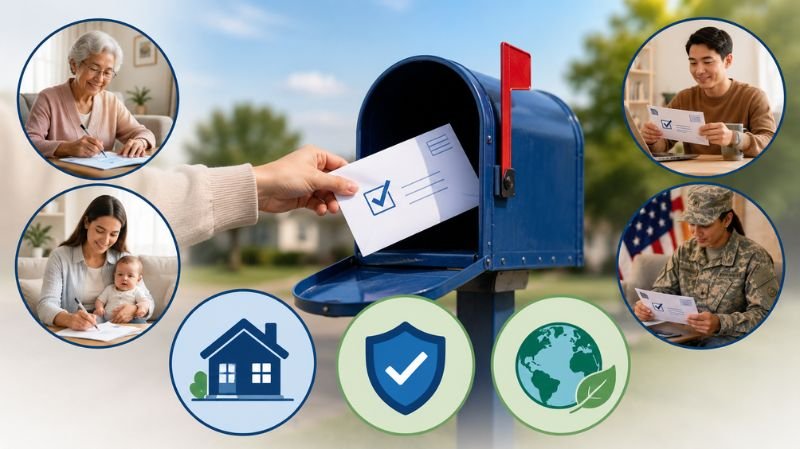
Reduces Long Lines
Polling stations can become crowded during major elections. Mail voting reduces pressure on polling locations by spreading voting activity across several weeks, creating a smoother experience for voters and election workers.
Enhances Voter Education
When voting at home, individuals have more time to research candidates, review policy proposals, and read ballot measures — which may lead to more informed decision-making.
Improves Participation Among Vulnerable Groups
Postal voting often benefits seniors, rural residents, disabled voters, shift workers, and caregivers — groups that may otherwise encounter significant barriers to voting.
Cost Considerations
The financial impact of postal voting depends heavily on election design. Printing, postage, and ballot-processing equipment add direct costs, but jurisdictions may offset some of this through fewer physical polling locations, reduced staffing requirements on election day, and lower equipment needs at individual sites. In practice, the net cost varies widely between regions and is an important factor for election administrators to plan for.
Environmental Considerations
Postal voting relies on paper ballots, envelopes, and transportation through the postal network, which carries an environmental footprint. At the same time, it can reduce the need for voters to travel by car to polling stations on election day. Election administrators are increasingly exploring recyclable materials and more efficient logistics to reduce the overall environmental impact of mail voting programs.
Common Concerns About Postal Voting
Ballot Fraud Concerns
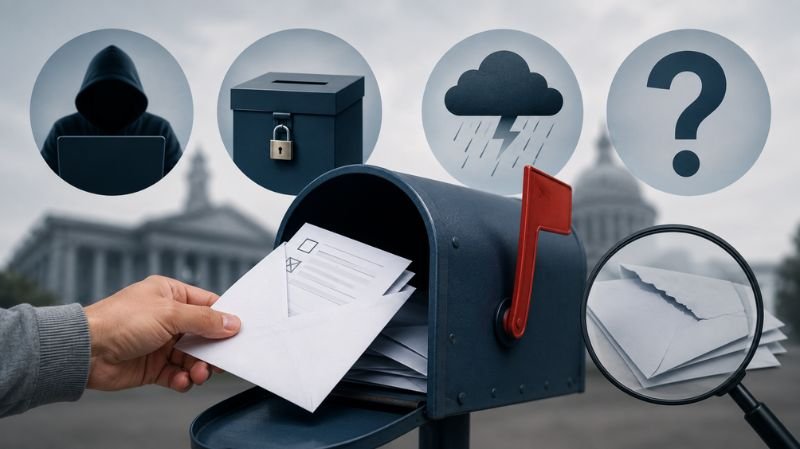
Critics sometimes argue that mail voting could create opportunities for fraud, including ballot theft, forged signatures, duplicate voting, or unauthorized ballot collection. Election administrators in many established democracies report that confirmed cases of fraud are rare relative to the overall volume of ballots cast, and modern election systems employ multiple layers of security to minimize risk. That said, the topic remains politically contested, and voters are encouraged to consult their local election authority for jurisdiction-specific data.
Ballot Rejection
Mail ballots can be rejected for reasons such as missing signatures, incorrect forms, late arrival, or mismatched voter information. Election authorities often conduct voter education campaigns — including clear instructions and reminder notices — to help reduce these errors.
Postal Delays
Postal service disruptions may affect ballot delivery and return times. Voters are typically encouraged to submit ballots well before the deadline to avoid missing it. Some jurisdictions offer ballot tracking systems that allow voters to monitor the status of their ballots in real time.
Privacy Concerns
Voting at home may expose voters to outside influence from family members, employers, or other individuals, unlike traditional polling stations, which provide private voting booths specifically designed to protect voter independence. Election officials continually seek ways to balance convenience with privacy protections.
Legal and Political Disputes
In some countries, the rules governing postal voting — such as deadlines, signature-matching standards, and the use of drop boxes — have become the subject of legal challenges and political disagreement. These disputes often center on how to balance ease of access with safeguards against error or abuse, and the resulting court rulings or legislative changes can alter procedures from one election cycle to the next.
Security Measures Used in Postal Voting
Signature Verification
Many systems compare the signature on the returned envelope with signatures already on file. Discrepancies may trigger additional review procedures.
Unique Ballot Identification
Barcodes and tracking numbers help ensure that each ballot is unique and properly accounted for. These identifiers allow officials to track ballots without revealing voting choices.
Secure Databases
Election agencies maintain voter databases that help prevent duplicate voting. If a voter submits a mail ballot, records are updated accordingly.
Ballot Tracking Systems
Many jurisdictions provide online tracking tools that let voters check when a ballot was mailed, whether it was received, and whether it was accepted for counting. This transparency increases voter confidence.
Chain-of-Custody Procedures
Election officials carefully document the handling of ballots throughout the process. These procedures help maintain accountability and prevent tampering.
Accessibility Features for Voters with Disabilities
Many election authorities have introduced additional accommodations to ensure postal voting is genuinely accessible to voters with disabilities. These can include:
- Large-print or braille ballot materials
- Audio ballot formats compatible with screen readers
- Assistance from a designated person or caregiver in completing the ballot
- Simplified instructions and accessible packaging
Continued investment in these accommodations helps ensure that postal voting fulfils its promise of inclusion for all eligible citizens, not just those without disabilities.
Postal Voting Around the World
The table below summarizes how postal voting is approached in several countries.
| Country | Eligibility | Application Required? | Notable Feature |
| United States | Varies by state | Depends on state | Several states automatically mail ballots to all voters |
| United Kingdom | Any registered voter | Yes, advance application | Simple opt-in postal voting |
| Germany | Any registered voter | Yes | Long-standing system with high uptake |
| Switzerland | All registered voters | No (sent automatically) | Majority of votes cast by mail in referendums |
| Australia | Eligible absent voters | Yes | Important for remote/rural populations |
United States
Postal voting is widely used, though rules vary by state. Some states automatically mail ballots to all registered voters, while others require ballot requests. Mail voting plays a major role in federal, state, and local elections.
United Kingdom
The UK allows postal voting for any registered voter who requests it. Applications can be submitted in advance, and voters receive ballots by mail.
Germany
Germany has long supported postal voting and has experienced significant growth in absentee participation over the years. Many voters choose mail ballots for convenience.
Switzerland
Switzerland is often cited as a leader in postal voting. A large proportion of Swiss voters regularly cast ballots by mail in national referendums and elections.
Australia
Australia offers postal voting for eligible citizens who cannot attend polling places on election day. The system is particularly useful for voters in remote regions.
Postal Voting and Democracy
At its core, postal voting reflects a broader democratic principle: voting should be accessible to all eligible citizens. A healthy democracy depends on participation, and when barriers prevent citizens from voting, representation can become less inclusive.
Postal voting helps address practical obstacles while preserving citizens’ ability to influence public policy and leadership decisions. The expansion of mail voting has sparked important discussions about balancing accessibility, security, transparency, and public confidence. Successful election systems must achieve all four objectives simultaneously.
The Future of Postal Voting
As technology evolves, postal voting systems are likely to become even more sophisticated. Future developments may include enhanced ballot tracking, improved voter verification, faster ballot processing, integrated digital notifications, and stronger cybersecurity protections.
Governments will continue evaluating how postal voting fits within broader election modernization efforts. At the same time, policymakers must ensure that reforms maintain public trust in election outcomes. The future of postal voting will likely involve a combination of convenience, security, and transparency designed to meet the needs of increasingly mobile and digitally connected populations.
Frequently Asked Questions
Is postal voting safe?
Election authorities use multiple safeguards — signature verification, unique ballot tracking numbers, secure databases, and chain-of-custody procedures — to protect the integrity of mail ballots. As with any voting method, safety depends on proper implementation and oversight.
What happens if my ballot arrives late?
Most jurisdictions set a strict deadline for receipt, and ballots arriving after that date typically cannot be counted, even if postmarked earlier. Voters should check their local election authority’s specific rules and deadlines.
Can I track my postal ballot?
Many jurisdictions now offer online tracking tools that show when a ballot was mailed, received, and accepted for counting, similar to tracking a parcel.
What if I make a mistake on my ballot?
Procedures vary, but many election offices allow voters to request a replacement ballot if they make an error, provided there is enough time before the deadline.
Conclusion
Postal voting has transformed the way millions of people participate in democratic elections. By allowing voters to cast ballots remotely, it expands access for seniors, people with disabilities, military personnel, overseas citizens, rural residents, and individuals with demanding schedules. The process typically involves voter registration, ballot distribution, identity verification, secure return procedures, and rigorous counting protocols.
While concerns about security, fraud, and ballot handling continue to generate debate, modern postal voting systems incorporate numerous safeguards such as signature verification, ballot tracking, secure databases, and chain-of-custody procedures. These measures are designed to protect election integrity while ensuring broad voter participation.
Ultimately, postal voting matters because it helps make democracy more accessible and inclusive. As societies continue to evolve and face new challenges, mail-in ballots will likely remain an important tool for ensuring that every eligible citizen has a practical opportunity to make their voice heard at the ballot box.